
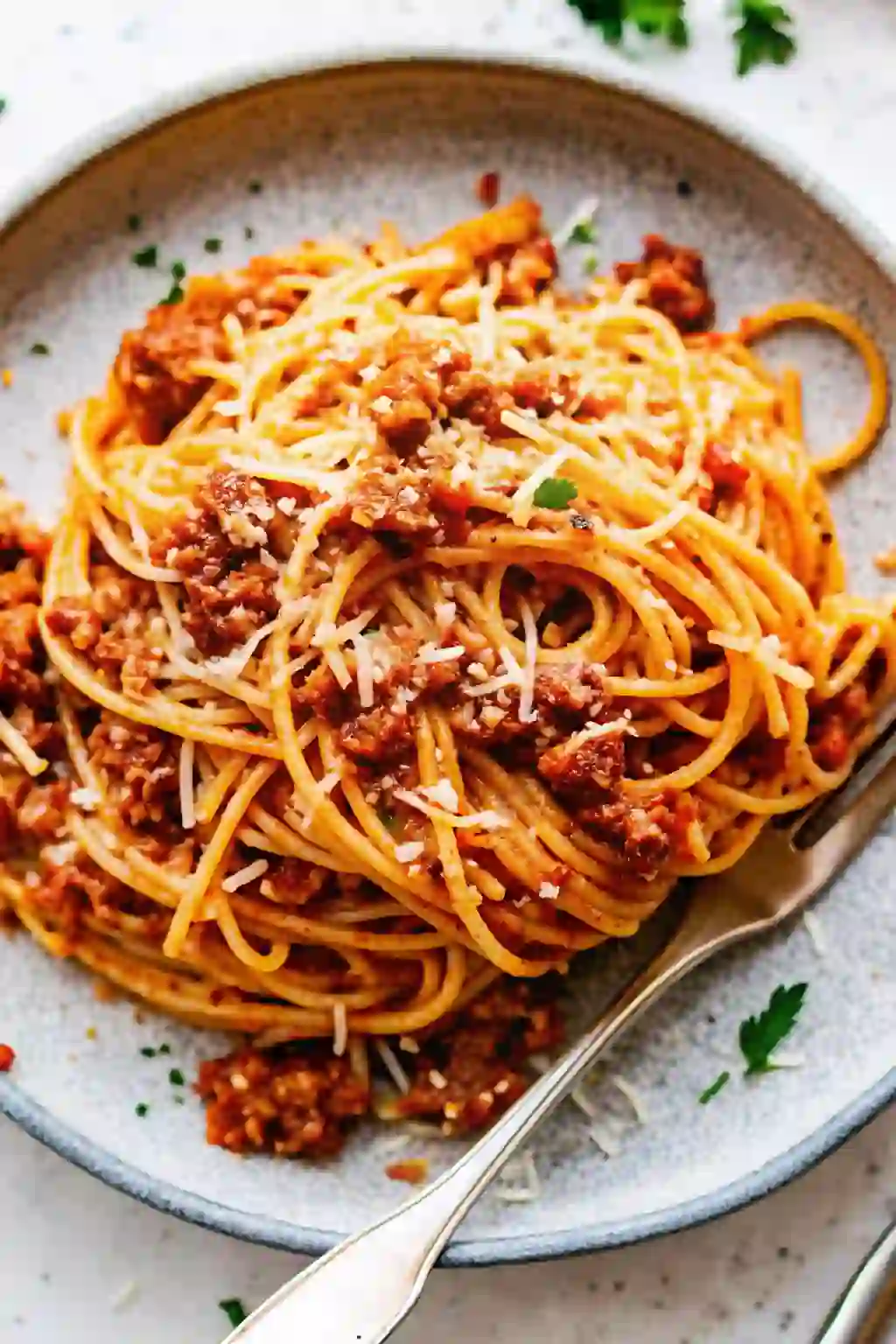
Is there anything more comforting than a pot of deep-red meat sauce gently bubbling away on the stove, filling your kitchen with the promise of dinner done right? While many recipes rush the process or complicate things with wine, cream, or rich cuts of meat, this Spaghetti Bolognese recipe proves that incredible flavor doesn’t come from shortcuts, it comes from patience and simplicity.
By using extra-lean ground beef, pantry tomatoes, and plain water, this sauce stays clean, balanced, and incredibly rich without ever feeling heavy. A slow, three-hour simmer transforms humble ingredients into a velvety, deeply savory sauce that clings to every strand of pasta instead of pooling at the bottom of the bowl. Whether you’re cooking ahead for the week or settling in for a cozy Sunday dinner, this method delivers classic comfort you can trust, no fancy tricks required.
Why the 3-Hour Simmer Makes All the Difference
The Concentration Factor
Unlike many modern versions that lean on wine, stock, or sugar for quick flavor, this sauce takes a purist approach by using plain water (250 ml). That might sound counterintuitive at first, but it’s actually the key to achieving depth without heaviness.
Over the course of a slow, three-hour simmer, that water gradually evaporates. As it does, the flavors from the tomato passata, diced tomatoes, vegetables, and beef naturally concentrate. The result is a sauce that tastes richer and more complex, not because anything extra was added, but because nothing rushed the process.
This method lets the tomatoes shine without tasting sharp and allows the beef to develop a deep, savory backbone without being masked by overpowering additions.
Texture Transformation
Time doesn’t just improve flavor, it completely changes the texture of the sauce.
During a long simmer, the fibers in the vegetables soften and break down, while the meat proteins relax and integrate into the sauce. Instead of ending up with ground beef floating in tomato liquid, everything melds into a cohesive, velvety mixture. The sauce becomes thick, smooth, and spoon-coating exactly what you want clinging to strands of spaghetti.
This is the difference between a sauce that sits on top of pasta and one that truly becomes part of it.
The “Lid Ajar” Secret
Step 2 isn’t just about simmering, it’s about controlled evaporation.
Leaving the lid slightly ajar strikes the perfect balance:
- Too open, and the sauce reduces too quickly, risking dryness or scorching.
- Fully closed, and steam gets trapped, preventing excess liquid from escaping and leaving the sauce thin.
That small gap allows moisture to escape slowly and consistently, giving you control over both flavor concentration and final texture. It’s a simple technique, but it’s one of the biggest reasons this sauce finishes thick, glossy, and perfectly balanced.
The Essential Ingredients Behind a Great Bolognese
Olive oil
Used to gently cook the vegetables at the start, olive oil helps transfer heat evenly and prevents the soffritto from sticking or browning too quickly.
Onion
Onion forms the aromatic base of the sauce, adding sweetness and depth once it softens during the low, slow cooking phase.
Carrots
Carrots naturally balance the acidity of tomatoes with subtle sweetness, which is especially important since this recipe doesn’t rely on sugar or wine.
Celery stalks
Celery adds a mild savory backbone that rounds out the flavor of the sauce without overpowering the beef or tomatoes.
Garlic
Garlic brings warmth and complexity, infusing the oil early so its flavor carries through the entire long simmer.
Fresh basil or dried basil
Basil adds a gentle herbal note. Fresh basil brightens the finished dish, while dried basil holds up well during the extended cooking time.
Canned diced tomatoes
Diced tomatoes contribute texture, giving the sauce small tomato pieces that help prevent it from becoming overly smooth.
Tomato passata / crushed tomatoes
Passata provides body and richness, forming the smooth base that thickens naturally as the sauce simmers.
Water
Water allows the flavors of the beef and tomatoes to concentrate gradually over time, creating depth without heaviness or excess salt.
Dried oregano
Oregano adds a classic, savory Italian-style aroma that deepens during the long simmer rather than fading away.
Extra lean ground beef
Lean beef delivers rich meat flavor while avoiding excess grease, keeping the sauce clean and well-balanced after hours of cooking.
Salt and pepper
Simple seasoning enhances all the other ingredients, bringing the natural flavors into focus without masking them.
Spaghetti
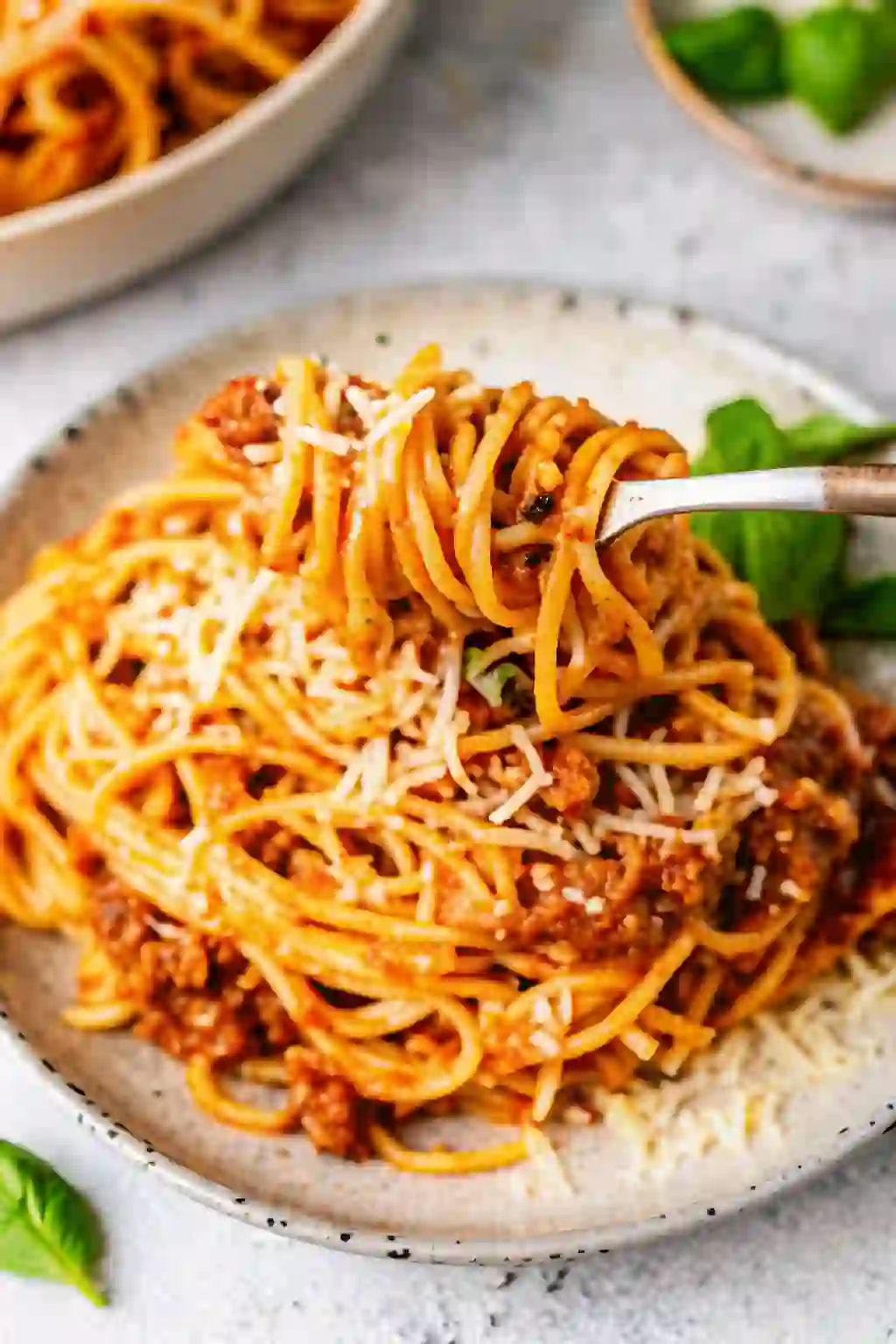
Spaghetti’s long strands are ideal for catching and holding the thick, velvety Bolognese sauce once everything is combined.
Step-by-Step Instructions for Perfect Spaghetti Bolognese
Step 1: Heat the olive oil in a large, deep frying pan or a Dutch oven over low heat. Add the diced onion, carrots, celery, and minced garlic, and cook gently for about 10 minutes without letting the vegetables brown. Once softened, add the ground beef and cook while stirring continuously, breaking it up until it is no longer pink. Pour in the canned diced tomatoes, tomato passata, and water, then season lightly with salt and pepper.
Step 2: Add the dried oregano and the torn basil leaves, reserving a few small leaves for later. Bring the sauce to a gentle boil, then lower the heat and let it simmer slowly for 2½ to 3 hours with the lid slightly ajar, stirring occasionally to prevent sticking.
Step 3: When the Bolognese is nearly finished, bring a large pot of water to a boil and cook the spaghetti according to the package instructions. Cook it about 2 minutes less than recommended, as the pasta will continue cooking when combined with the sauce and should not be overcooked.
Step 4: Drain the cooked spaghetti and add it directly to the Bolognese sauce. Stir gently to coat the pasta evenly, then remove the pan from the heat. Finish with the reserved basil leaves and serve topped with freshly grated Parmesan cheese.
Expert Tips for the Perfect Bolognese

Choose the Right Meat
Extra-lean ground beef works best for this recipe because of the long simmer time. As the sauce cooks for several hours, fat naturally renders out of the meat.
With higher-fat beef, that rendered fat rises to the surface and creates a greasy layer that must be skimmed off. Extra-lean beef, on the other hand, stays tender while blending seamlessly into the sauce, giving you rich flavor without heaviness.
Use the Right Pot
A Dutch oven or heavy-bottomed deep pan is ideal for Bolognese. These pots distribute heat evenly and retain it well, which is essential during a 3-hour simmer.
Thin pans can create hot spots, causing the sauce to scorch on the bottom before it has time to reduce properly. Even, steady heat ensures the sauce thickens gradually and develops depth without burning.
Finish the Pasta in the Sauce
Cooking the spaghetti slightly under the package instructions isn’t just a preference, it’s a technique.
When pasta finishes cooking in the sauce:
- The starch released from the spaghetti helps the sauce cling better
- Flavors absorb directly into the pasta
- The final dish tastes unified rather than separate
This small step is what separates a good bowl of pasta from a great one.
How to Fix Common Bolognese Problems
1-My Sauce Is Too Watery
If your sauce hasn’t thickened enough, the most likely cause is excess moisture.
The fix is simple:
- Remove the lid completely for the final 20 minutes of cooking
- Increase evaporation while keeping the heat low
- Stir occasionally to prevent sticking
This allows excess liquid to cook off naturally without affecting flavor.
2-My Sauce Is Too Dry
A sauce that reduces too far can happen if evaporation was too aggressive.
To fix it:
- Add a splash of pasta water or plain water
- Start with 1 tablespoon at a time
- Stir gently and reassess before adding more
This restores moisture without diluting the flavor.
3-It Tastes Acidic
Some canned tomatoes are naturally more acidic than others, especially when no sugar is used.
Instead of adding sweeteners:
- Simmer the sauce for an additional 10–15 minutes
- Time allows acidity to mellow naturally
- The sauce will taste rounder and more balanced
Patience, once again, is the solution.
How to Store and Freeze Bolognese the Right Way
Storing in the Fridge
Once cooled, Bolognese sauce stores very well in the refrigerator.
- Transfer the sauce to an airtight container
- Keep refrigerated for 3 to 4 days
- Flavors often deepen overnight, making it taste even better the next day
For best texture, store the sauce separately from the pasta.
Freezing for Later
Bolognese is an ideal freezer-friendly sauce, especially when made in large batches.
- Freeze the sauce only, without pasta
- Use airtight containers or freezer-safe bags
- Label with the date and freeze for up to 3 months
Freezing without pasta prevents sogginess and preserves the sauce’s rich texture.
Reheating the Sauce
Reheat gently to maintain the sauce’s consistency and flavor.
- Warm on the stovetop over low heat
- Stir occasionally to prevent sticking
- Add a small splash of water if the sauce has thickened too much
Avoid high heat, which can cause the sauce to scorch or separate.
Conclusion
This Spaghetti Bolognese is a reminder that the best meals are often the simplest ones, built slowly and with care. By relying on time instead of shortcuts, the sauce develops deep, balanced flavor and a velvety texture that coats every strand of pasta. Serve it with Crusty Garlic Bread to soak up the rich sauce, and you have a comforting, no-fuss meal that feels like home cooking at its best.
If you try this recipe, take a moment to leave a comment and rate it below your feedback helps others cook with confidence. And don’t forget to share it with someone who appreciates a classic pasta night done right.
Recipe FAQs
The Ultimate Spaghetti Bolognese Recipe (3-Hour Slow Simmer)
Equipment
- Large frying pan or Dutch oven
- wooden spoon
- large pot
- colander
- grater (for parmesan)
Ingredients
- 1 tbsp Olive oil
- 1 Onion, diced
- 2 Carrots, diced
- 2 Celery stalks, diced
- 2–3 cloves Garlic
- 5–6 leaves Fresh Basil or 2 tsp dried basil
- 400 g Canned Diced Tomatoes
- 500 g Tomato Passata/Crushed Tomatoes
- 250 ml Water
- 2 tsp Dried Oregano
- 450 g Ground Beef, extra lean
- Salt and pepper to taste
- 450 g Spaghetti
Instructions
- In a large and deep frying pan or a Dutch Oven heat 1 tbsp of olive oil, then add diced onions, carrots, celery, minced garlic and cook on low heat for 10 minutes without colouring the vegetables. Then add ground beef and brown it until the beef is no longer pink inside while stirring the whole time and making sure to break up the beef. Pour in both types of canned tomatoes and water with a pinch of salt and pepper.
- Sprinkle in some dried oregano and torn basil leaves (reserve a few small ones), bring everything to a boil. Then turn the heat down and let it simmer with a lid ajar for for 2.5-3 hours stirring it once in a while.
- When your Bolognese is nearly done boil a large pot of water and cook spaghetti according to package directions. (I usually cook 2 min less than the package recommends, your pasta continues cooking when you combine it with sauce and you really don’t want it overcooked!)
- Drain your spaghetti and add your pasta to the sauce, stir gently and take off the heat. Top with reserved basil leaves. Serve with freshly grated Parmesan cheese.
Notes
If too watery: Remove the lid completely for the last 20 minutes.
If too dry: Add pasta water or plain water, 1 tablespoon at a time.
Storage: Refrigerate 3–4 days. Freeze sauce (without pasta) up to 3 months. Reheat gently with a splash of water if needed.