


Ever wish your homemade soups or sauces had that rich, restaurant-quality flavor without relying on anything from a carton? That’s where this easy vegetable broth recipe comes in. It’s the kind of kitchen magic that turns veggie scraps into liquid gold, aromatic, nourishing, and totally customizable to your taste.
Making your own broth isn’t just about flavor (though you’ll absolutely taste the difference). It’s about saving money, reducing waste, and taking full control of what goes into your food. Trust me, once you’ve simmered your first pot and filled your kitchen with that cozy, savory aroma, you’ll never go back to store-bought again.
In this article, you’ve learned how to:
- Turn simple vegetables and scraps into a flavorful, zero-waste homemade vegetable broth.
- Choose the best ingredients for rich, balanced flavor (and avoid the bitter ones!).
- Make broth using fresh produce, veggie scraps, or even your Instant Pot or slow cooker.
- Store your broth properly to keep it fresh for weeks or months.
- Fix common broth problems and discover creative ways to use it every day.
Whether you’re cooking soups from scratch or just upgrading your grains, this broth is the kind of kitchen staple that makes every meal taste homemade. Now, let’s get you cooking, grab your pot, and let’s make this golden, cozy goodness together! 😉
Why This Homemade Vegetable Broth is a Game-Changer
If you’ve ever wondered why your favorite restaurant soups taste so rich and balanced, here’s the secret: they start with a deeply flavorful broth. Making your own vegetable broth recipe at home takes that same principle and brings it to your kitchen, only fresher, cleaner, and a lot more rewarding.
Here’s why it’s truly a game-changer:
1. The Flavor Is Unbeatable: Store-bought broth often tastes flat or overly salty. When you make your own, every simmered carrot, onion, and herb adds depth. The result? A naturally sweet, aromatic, and savory base that transforms any dish from risotto to ramen.
2. It’s Incredibly Cost-Effective: Think of this broth as the ultimate “use what you have” recipe. Instead of tossing veggie peels, onion ends, and herb stems, you’re giving them a second life in your pot. Fewer trips to the store and less waste in your bin, that’s a win-win.
3. Healthier, Cleaner, and Customizable: Homemade broth means no preservatives, no added sugar, and no mystery ingredients. You can tweak it to your dietary preferences, low-sodium, gluten-free, or packed with extra herbs.
4. Good for the Planet : This recipe turns everyday kitchen scraps into something nourishing, making it one of the easiest ways to live a little greener. It’s proof that sustainability can be absolutely delicious.
Essential Ingredients for a Flavor-Packed Vegetable Broth
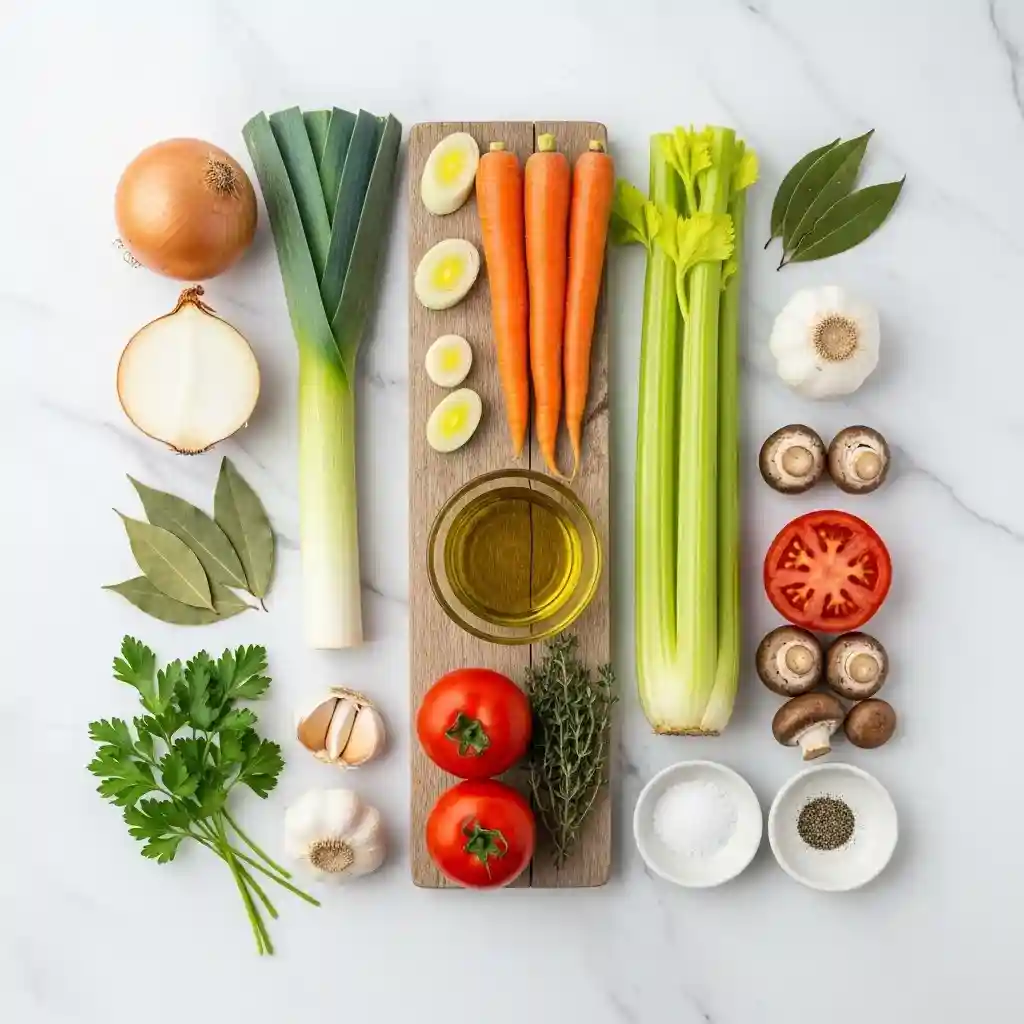
The secret to a truly delicious vegetable broth recipe starts with simple, wholesome ingredients. Each veggie plays a special role: onions bring sweetness, celery adds depth, and carrots lend natural color and body. Add aromatic herbs, garlic, and just a touch of olive oil, and you’ve got the base for something rich, cozy, and comforting.
Use the freshest produce you can, and don’t worry about fancy cuts, rough chopping works perfectly since everything will be strained out later. Here’s everything you’ll need to build a broth that’s both flavorful and waste-free:
What Vegetables Should You NOT Put in Vegetable Broth?
Not every vegetable plays nicely in a broth pot. Some can turn your beautiful golden liquid cloudy, bitter, or downright funky. To keep your vegetable broth recipe tasting rich and balanced, skip the ingredients that overpower or throw off the flavor harmony.
Here are a few veggies best left out of the mix:
❌ Strong or Bitter Vegetables
- Broccoli – Its sulfuric notes become bitter and unpleasant when simmered too long.
- Cabbage – Adds an overpowering, musty aroma that dominates delicate herbs.
- Brussels sprouts – Bitter and earthy; better roasted on the side than boiled in broth.
❌Starchy Vegetables
- Potatoes – Make broth cloudy and thick instead of clear and clean.
- Sweet potatoes – Add too much sweetness, and can muddy the color.
❌ Overpowering Flavors
- Beets – Turn the broth red and give it a strong, earthy taste.
- Asparagus – Adds an overly grassy, bitter edge.
- Turnips or rutabagas – Can dominate other flavors with their peppery bite.
💡 Tip: Stick to neutral, mild vegetables like carrots, onions, and celery for your base and use flavorful herbs or mushrooms for depth instead of strong-tasting veggies.
Easy Homemade Vegetable Broth: Step-by-Step Instructions
Making your own vegetable broth recipe is simple, budget-friendly, and deeply satisfying. Whether you’re using fresh produce or veggie scraps saved from the week, this process transforms humble ingredients into a golden, flavor-packed base for soups, stews, and sauces.
Below, you’ll find two easy methods: one for fresh vegetables, and another for vegetable scraps — both guaranteed to give you a broth that tastes better than anything store-bought.
Using Fresh Vegetables
1️⃣ Prep the Vegetables
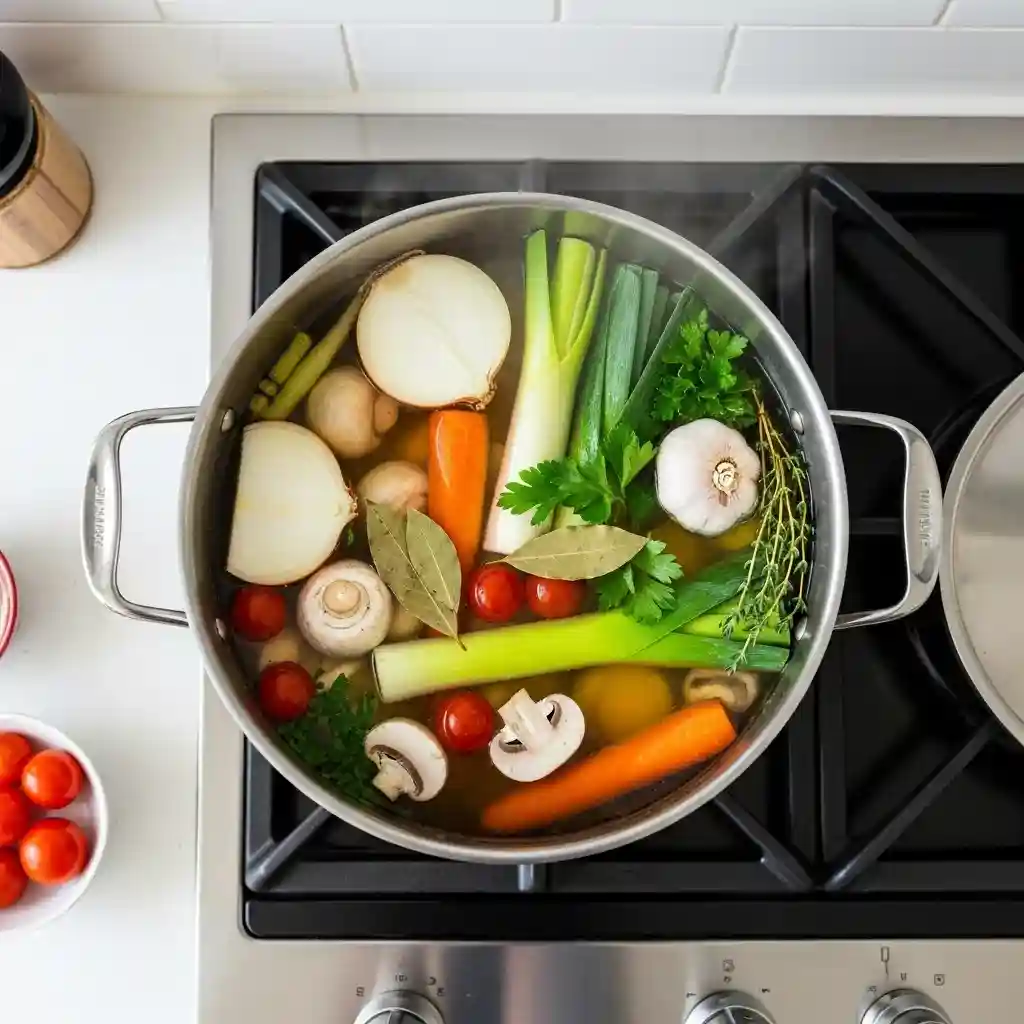
Roughly chop onions, carrots, celery, leeks, and any other fresh veggies you’re using. There’s no need to peel; just give everything a good scrub.
2️⃣ Sauté for More Flavor (Optional but Worth It)
Heat a tablespoon of olive oil in a large pot. Add onions, carrots, and celery, and sauté for 5–7 minutes until they start to soften and caramelize slightly. This deepens the broth’s flavor and color.
3️⃣ Add Water and Aromatics
Pour in about 10–12 cups of water, then add garlic, parsley, thyme, bay leaves, mushrooms, and tomatoes.
4️⃣ Simmer Gently
Bring the pot to a gentle boil, then reduce the heat and let it simmer uncovered for 45–60 minutes. Avoid boiling too hard — that can make your broth cloudy or bitter.
5️⃣ Strain and Store
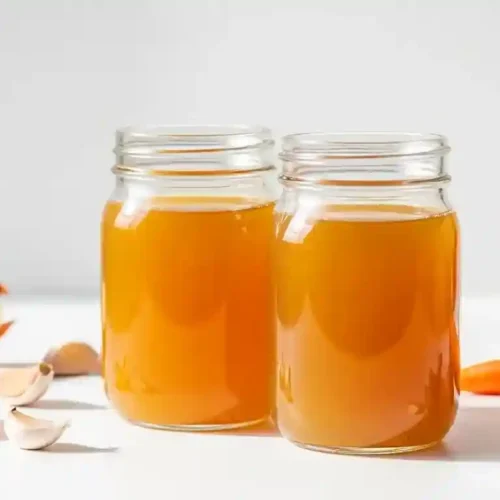
Pour the broth through a fine-mesh strainer into a large bowl or another pot. Discard the solids and let the broth cool. Store in airtight jars or containers.
💡 Pro Tip: For a stronger flavor, simmer longer up to 90 minutes and taste as you go.
Using Vegetable Scraps
1️⃣ Save and Store Your Scraps
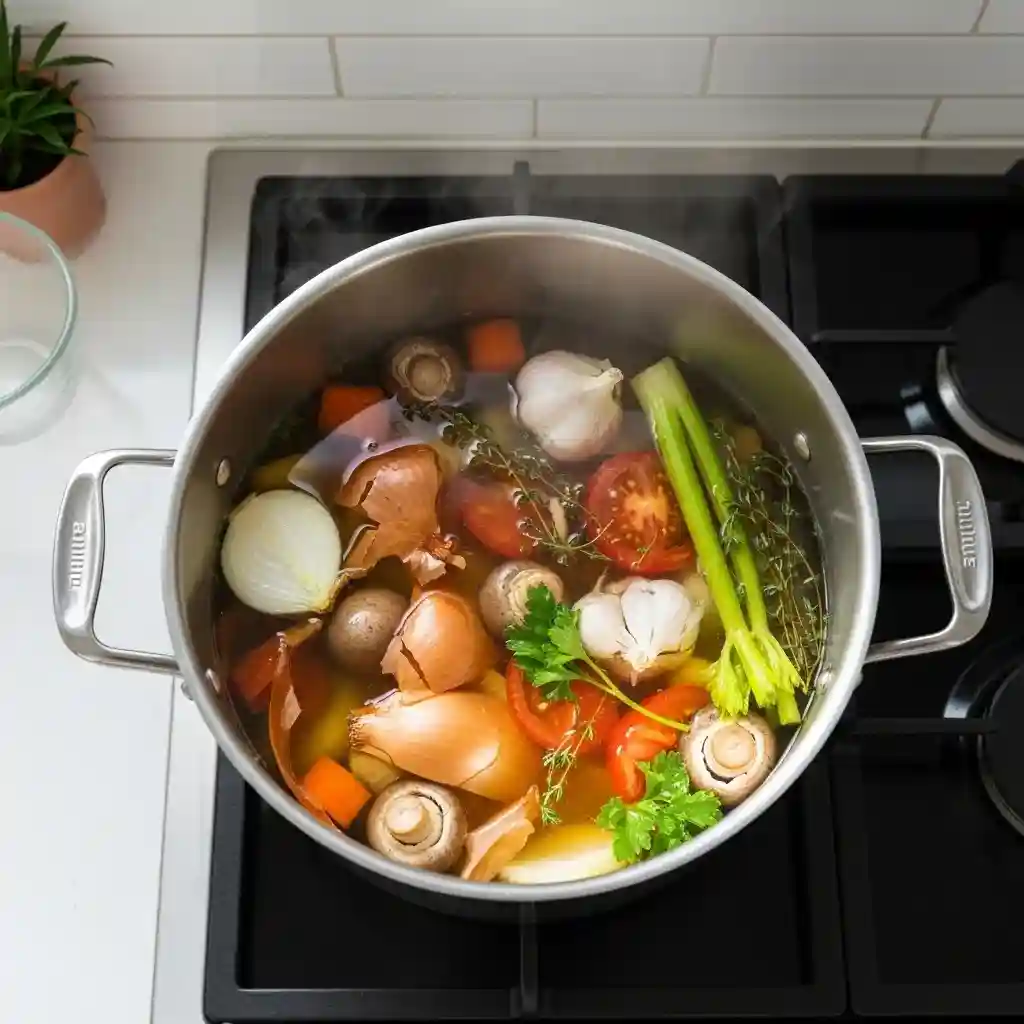
Keep onion ends, carrot peels, celery tops, mushroom stems, and herb trimmings in a freezer-safe bag. Once you’ve collected about 4–5 cups, you’re ready to make broth.
2️⃣ Combine and Simmer
Add the frozen scraps to a large pot with about 10 cups of water. Toss in garlic, thyme, parsley, bay leaves, and a few peppercorns for seasoning.
3️⃣ Simmer Slowly
Let it cook on low heat for 60–75 minutes, stirring occasionally. The longer it simmers, the deeper the flavor.
4️⃣ Strain and Cool
Once done, strain and let cool completely before refrigerating or freezing.
Zero-Waste Bonus: This method reduces food waste and creates a sustainable kitchen habit you’ll feel great about.
Different Ways to Make Vegetable Broth at Home
Homemade broth doesn’t have to mean standing over the stove. Whether you prefer a hands-off approach or need something quick before dinner, these alternative cooking methods let you make your vegetable broth recipe with minimal effort and the same rich, full flavor.
Instant Pot Vegetable Broth
The Instant Pot is your shortcut to deep, slow-simmered flavor in a fraction of the time.
Here’s how to do it:
1️⃣ Add your prepared vegetables (or scraps) to the Instant Pot with 10 cups of water, garlic, thyme, parsley, and bay leaves.
2️⃣ Lock the lid and set to Manual / Pressure Cook for 15 minutes.
3️⃣ Allow a 10-minute natural release, then quick-release any remaining pressure.
4️⃣ Strain the broth through a fine-mesh sieve, let it cool, and store.
💡 Pro Tip: For a stronger broth, use the “Sauté” function to lightly brown your veggies before adding water.
Slow Cooker Vegetable Broth
If you love “set it and forget it” cooking, the slow cooker is your best friend.
Here’s how:
1️⃣ Add all vegetables, herbs, and 10–12 cups of water to your slow cooker.
2️⃣ Set to Low and cook for 8–10 hours, or High for 4–5 hours.
3️⃣ Once done, strain, cool, and store.
Pro Tip: The longer cooking time makes for an especially rich, aromatic broth perfect for soups, risottos, or sipping warm from a mug.
Best Ways to Store Homemade Vegetable Broth
You’ve simmered, strained, and savored your broth, now it’s time to make sure that liquid gold stays fresh for as long as possible. Whether you’re planning to use it in a few days or saving some for future meals, storing your homemade vegetable broth correctly keeps it tasting just as rich and aromatic as the day you made it.
Refrigerating Your Broth
If you’ll use your broth within the week, the fridge is your best friend.
Here’s how:
1️⃣ Let the broth cool completely before transferring it to storage containers.
2️⃣ Use glass jars, airtight containers, or BPA-free plastic bottles.
3️⃣ Store in the refrigerator for up to 5 days.
Pro Tip: A thin layer of olive oil on top can help preserve freshness and flavor a little longer.
Freezing Your Broth
For longer storage, freezing is the way to go, and it’s easier than you might think.
Here’s how:
1️⃣ Once cooled, pour the broth into freezer-safe containers or silicone ice cube trays.
2️⃣ Leave a little room at the top for expansion.
3️⃣ Label each container with the date for easy tracking.
4️⃣ Freeze for up to 3 months.
Pro Tip: Freezing in smaller portions (like ½-cup or 1-cup cubes) makes it easy to thaw just what you need for cooking grains, soups, or sauces.
Common Vegetable Broth Mistakes (and How to Fix Them)
Even the best cooks sometimes end up with a broth that’s not quite perfect. Don’t worry, these easy fixes will help you rescue or prevent the most common mishaps in your vegetable broth recipe, so every batch turns out flavorful and clear.
My Broth Is Bitter -What Went Wrong?
A bitter broth usually means some veggies simmered too long or the heat was too high. Overcooked onion skins, broccoli, or cabbage can also add unpleasant bitterness.
💡 Fix it: Strain immediately, then balance the flavor by adding a small piece of raw carrot or a splash of lemon juice to mellow it out.
Why Is My Broth Cloudy?
Cloudiness happens when the broth boils too hard or is stirred too often. The agitation breaks down the vegetables, releasing starch and particles.
💡 Fix it: Simmer gently, not boil, and avoid stirring. Strain through a fine-mesh sieve or cheesecloth for a clearer finish.
My Broth Tastes Flat -How Do I Add Flavor?
A flat-tasting broth just needs a little lift.
💡 Fix it: Add a pinch of salt, a squeeze of lemon juice, or let it simmer a few extra minutes with a bay leaf or extra herbs. Mushrooms or tomato paste can also deepen the umami flavor.
Creative Ways to Use Your Homemade Vegetable Broth
Now that you’ve made your flavorful, golden homemade vegetable broth, it’s time to put it to work in your kitchen. This liquid gold is incredibly versatile, not just for soups! From grains to sauces, here are some delicious, easy ways to make the most of every drop.
1. Soups and Stews
The obvious winner! Use your broth as the base for comforting soups like lentil, minestrone, or creamy vegetable blends. Try it in this Easy Creamy Vegan Pumpkin and Red Lentil Soup Recipe it’s cozy, healthy, and ready in just 30 minutes.
2. Cooking Grains
Swap water for broth when cooking rice, quinoa, couscous, or bulgur. It infuses every bite with savory, homemade flavor.
3. Making Sauces and Gravies
Use broth as your liquid base for gravies or pan sauces instead of store-bought stock. The natural vegetable sweetness brings out the best in roasted or sautéed dishes.
4. Deglazing a Pan
After sautéing vegetables or protein, pour in a bit of your broth to lift all those flavorful browned bits off the pan. Instant flavor boost!
5. Risottos and One-Pot Meals
A high-quality vegetable broth recipe makes risotto creamy and aromatic without any heavy cream. It’s also amazing in one-pot pastas and casseroles.
6. Sipping Broth
Warm up a mugful of your broth, season with a pinch of salt, and sip it like tea, nourishing, light, and soothing.
Conclusion
And there you have it, a simple, satisfying vegetable broth recipe that turns everyday ingredients (and even scraps!) into something rich, comforting, and endlessly useful. Homemade broth isn’t just delicious, it’s also loaded with nutrients and wellness benefits. Learn about the 7 health benefits of vegetable broth, according to nutritionists. Once you taste the flavor of homemade broth, you’ll never look at the store-bought version the same way again.
So go ahead, grab those veggies, fire up your pot, and let your kitchen fill with that cozy, savory aroma. Don’t forget to save this recipe, leave a comment, and share your version with fellow home cooks who love reducing waste and eating well. ❤️
Recipe FAQs
Easy Vegetable Broth Recipe: Rich, Flavorful, and Zero Waste

Ingredients
- 2 medium onions halved (skins on)
- 3 carrots chopped
- 3 celery stalks with leaves, chopped
- 1 leek halved lengthwise
- 4 garlic cloves lightly crushed
- 2 Roma tomatoes halved
- 4 –5 mushrooms halved
- 1 small bunch fresh parsley 6–8 sprigs
- 3 sprigs thyme
- 2 bay leaves
- 1 tablespoon olive oil
- Salt and pepper to taste
- 10 –12 cups water
Instructions
- Prepare the vegetables: Roughly chop your onions, carrots, celery, and leeks. No need to peel — just clean well.
- Sauté for flavor: Heat olive oil in a large pot. Add onions, carrots, and celery, and sauté for 5–7 minutes until fragrant.
- Add remaining ingredients: Add garlic, mushrooms, tomatoes, herbs, and water.
- Simmer gently: Bring to a boil, then reduce heat and simmer uncovered for 45–60 minutes.
- Strain and cool: Strain the broth through a fine-mesh sieve. Let cool completely.
- Store: Refrigerate up to 5 days or freeze up to 3 months.
Notes
- Roast the vegetables first for deeper flavor and darker color.
- Freeze broth in ice cube trays for quick use in grains, sauces, or sautéing.