
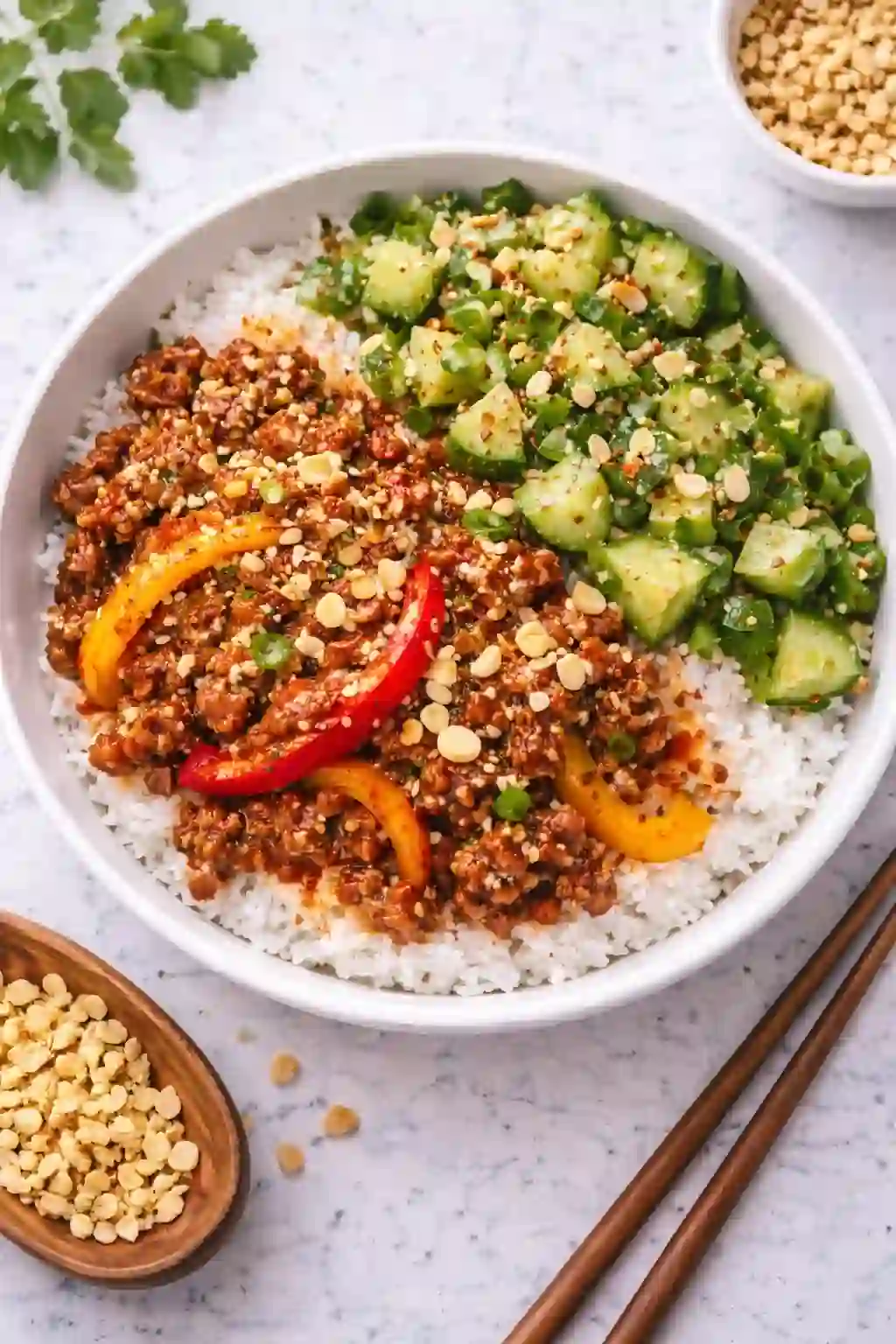
Imagine a weeknight dinner that checks every box: salty, sweet, spicy, and tangy, all piled into one satisfying bowl and on the table faster than delivery. We’ve all been there, staring at a pack of ground beef and wondering how to turn it into something exciting without committing to a sink full of dishes or an hour at the stove.
That’s where Korean Gochujang Beef Bowls come in. This recipe transforms everyday pantry staples into a bold, restaurant-worthy meal in about 20 minutes, thanks to high-heat caramelization that gives the beef irresistible crispy edges instead of a soggy stir-fry feel. Paired with crunchy quick-pickled cucumbers and a nutty finish of roasted peanuts, every bite delivers serious texture and flavor with minimal effort. One skillet, no special equipment, and foolproof steps you can trust.
What Is Gochujang? (And Why You’ll Want It in Your Pantry)
Gochujang is a traditional Korean chili paste made from fermented red chile peppers, glutinous rice, soybeans, and salt. Thanks to fermentation, it delivers a deep, complex flavor that goes far beyond simple heat. Instead of tasting sharp or harsh, gochujang brings balance and richness to everything it touches.
The flavor profile is what makes it so special:
- Umami from fermented soybeans
- Gentle heat that builds instead of burning
- Subtle sweetness that rounds out savory dishes
In these bowls, gochujang acts as the backbone of the sauce. It clings to the beef as it caramelizes, creating that sticky, glossy coating that makes each bite bold without overwhelming your palate.
If you enjoy cooking dishes with layered flavor but don’t want a cabinet full of specialty sauces, gochujang is a smart staple to keep on hand. It works beautifully in marinades, noodle bowls, stir-fries, and even simple rice dishes, making it one of the most versatile ingredients in Korean cooking.
Ingredients You’ll Need for Korean Gochujang Beef Bowls (And Why They Matter)
Ground Beef :This is the backbone of the dish. Ground beef cooks quickly and develops crispy, caramelized edges that soak up the gochujang sauce, delivering bold flavor in every bite.
Butter : Butter boosts richness and helps the beef brown more deeply. It also softens the heat of the chili paste, giving the sauce a glossy, restaurant-style finish.
Bell Peppers :Bell peppers add natural sweetness and a light crunch. As they cook, they balance the spice without turning soft or watery.
Shallots :Sweeter and more delicate than onions, shallots melt into the sauce and add depth without overpowering the dish.
Garlic: Garlic builds a strong savory base and enhances the umami from the tamari and gochujang, making the entire bowl more aromatic.
Pickled Ginger : This ingredient adds brightness and tang, cutting through the richness of the beef. It acts like a built-in palate cleanser.
Tamari or Soy Sauce : Provides salt and umami. Tamari offers a slightly richer flavor and is naturally gluten-free friendly, but soy sauce works well too.
Gochujang (Korean Chili Paste) :The star of the recipe. Gochujang delivers fermented depth with balanced heat, sweetness, and savory flavor.
Ginger Juice : Ginger juice spreads warmth evenly through the sauce without fibrous texture, creating smooth, consistent flavor.
Maple Syrup or Honey : Adds gentle sweetness that balances the spice and helps the sauce caramelize beautifully.
Toasted Sesame Seeds :These bring nutty aroma and subtle crunch, enhancing both texture and flavor.
Roasted Peanuts : Peanuts add bold crunch and richness, creating contrast against the sticky beef and soft rice.
Cucumber Salad Ingredients
Persian Cucumbers : Cool, crisp, and refreshing, they balance the heat of the beef and keep the bowl feeling light.
Gochujang : Used sparingly here to add gentle heat without overpowering the cucumbers’ crunch.
Green Onions or Thai Basil: Green onions add sharp freshness, while Thai basil contributes a light herbal note that brightens the salad.
Ginger Juice or Rice Vinegar : Adds acidity, enhancing crunch and preventing the bowl from feeling heavy.
Equipment You’ll Need (Nothing Fancy Required)
This recipe is designed to be weeknight-friendly, which means no specialty tools or complicated setup. Everything comes together quickly using basic kitchen equipment you likely already own.
1-Large Skillet :A wide skillet gives the beef enough surface area to brown properly instead of steaming. Cast iron works especially well here because it holds heat evenly, helping the meat develop those flavorful, caramelized edges.
2-Chef’s Knife : A sharp chef’s knife makes quick work of slicing bell peppers and shallots evenly, which helps them cook at the same rate and blend smoothly into the sauce.
3-Mixing Bowl :You’ll need a bowl to toss together the cucumber salad. This allows the salt and ginger juice (or vinegar) to draw out excess moisture while keeping the cucumbers crisp and refreshing.
That’s it one pan, one bowl, and minimal cleanup, which is exactly what you want on a busy night.
How to Make Korean Gochujang Beef Bowls step by step
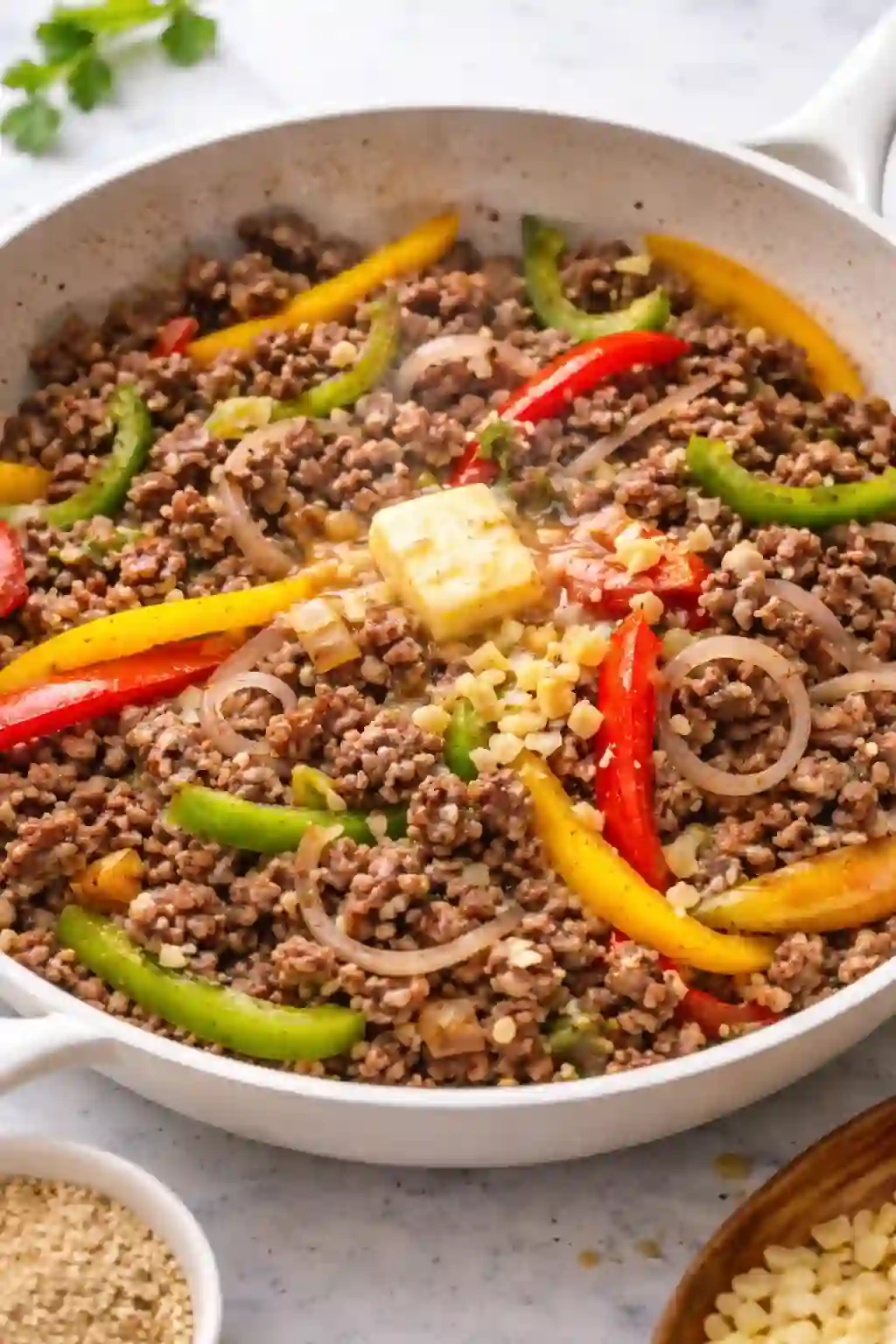
Step 1: In a large skillet over medium heat, add the ground beef with a pinch of black pepper. Cook for about 5 minutes, breaking it up as it cooks, until the beef is fully browned. Add the butter, bell peppers, garlic, shallots, and pickled ginger, then cook for 2 more minutes until fragrant and slightly softened.
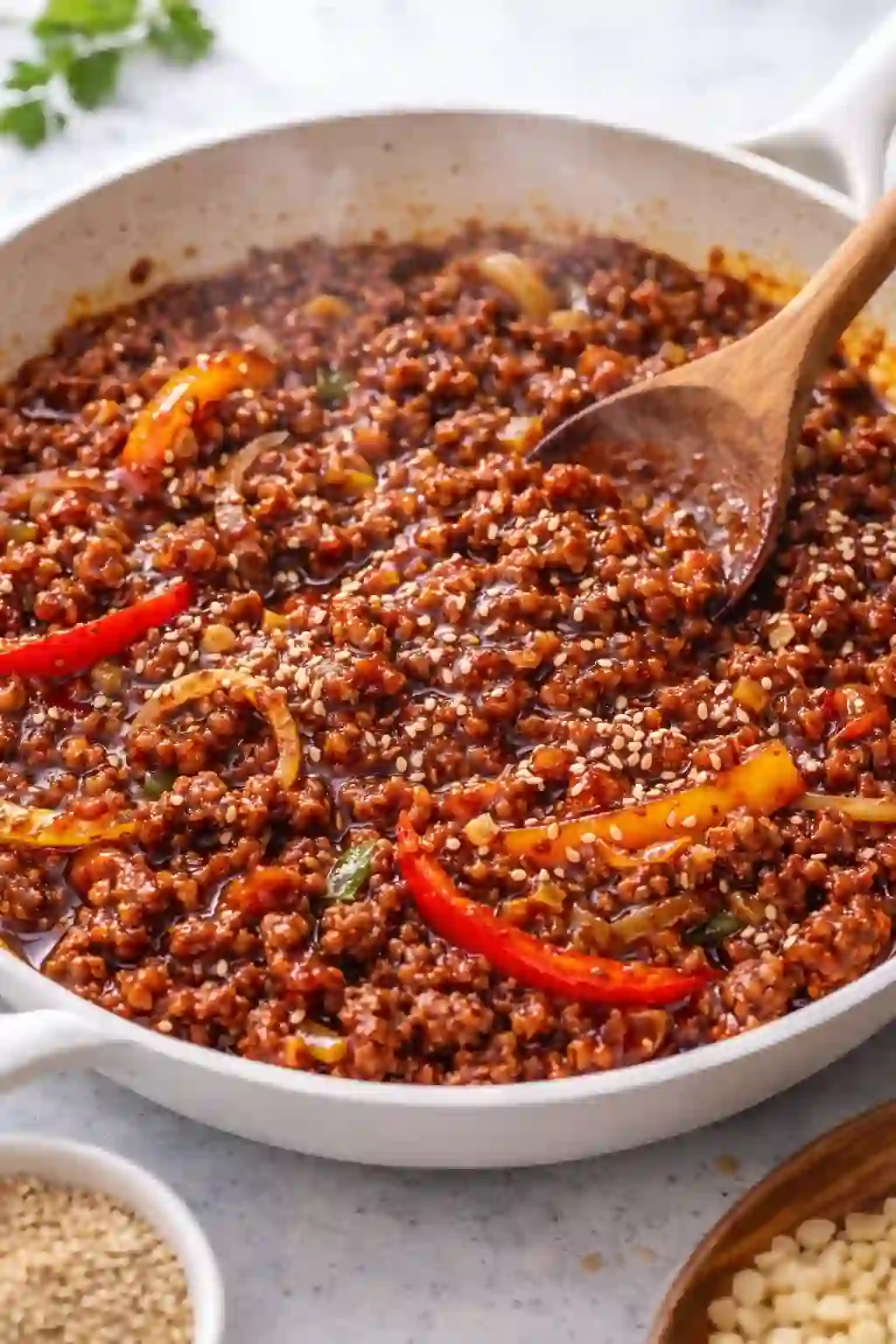
Step 2: Pour the tamari into the skillet, then add the gochujang, ginger juice, and 1/3 cup water. Stir well and let everything cook for 2–3 minutes, until the sauce thickens and evenly coats the beef. Stir in the maple syrup or honey and cook for another 1–2 minutes, until the beef becomes glossy and lightly caramelized. Remove from the heat and toss with the toasted sesame seeds.
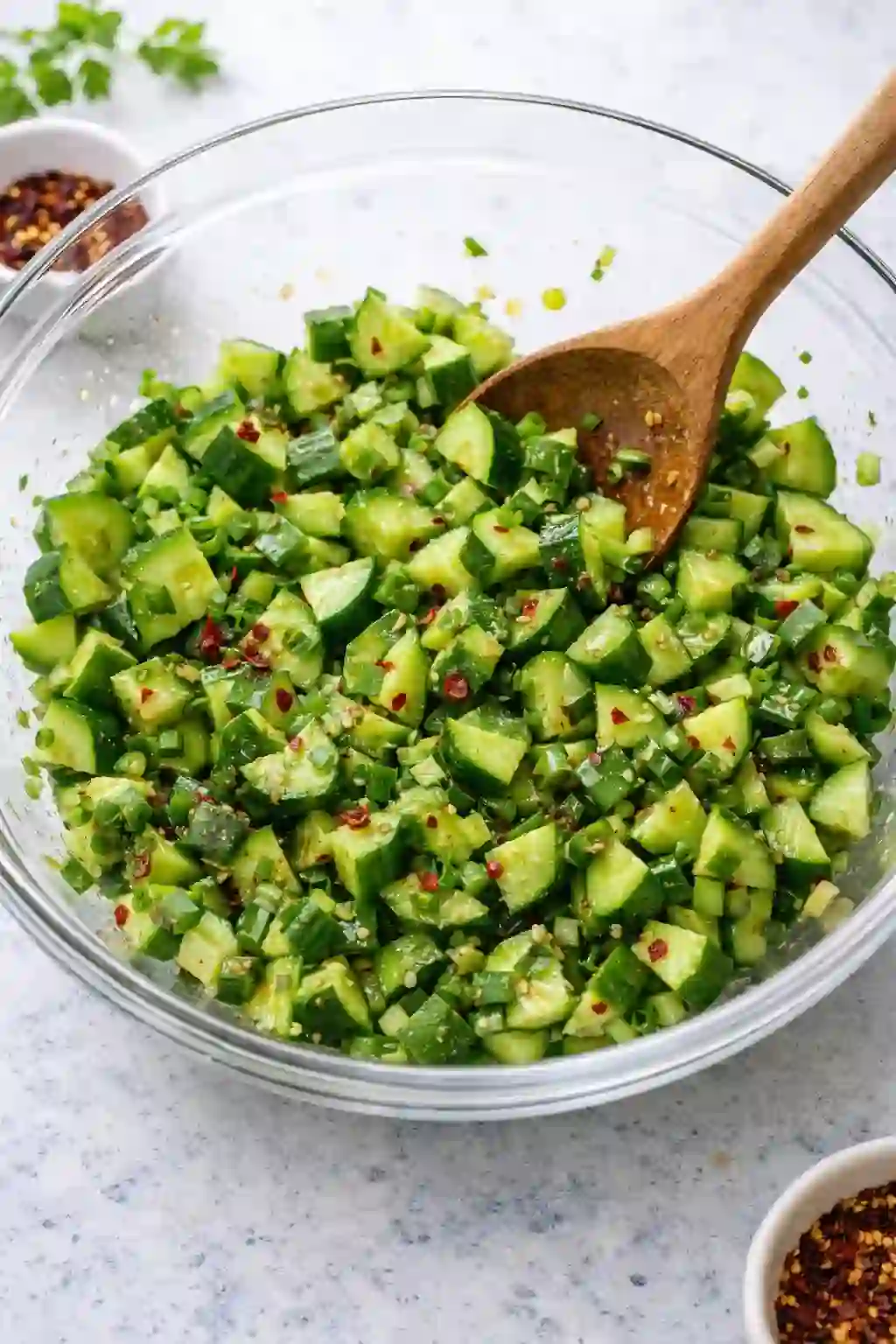
Step 3: While the beef cooks, add the chopped cucumbers to a mixing bowl. Sprinkle with the salt, then add the chile flakes, ginger juice, and green onions. Toss well and let the mixture sit for about 5 minutes so the cucumbers release excess moisture but stay crisp.
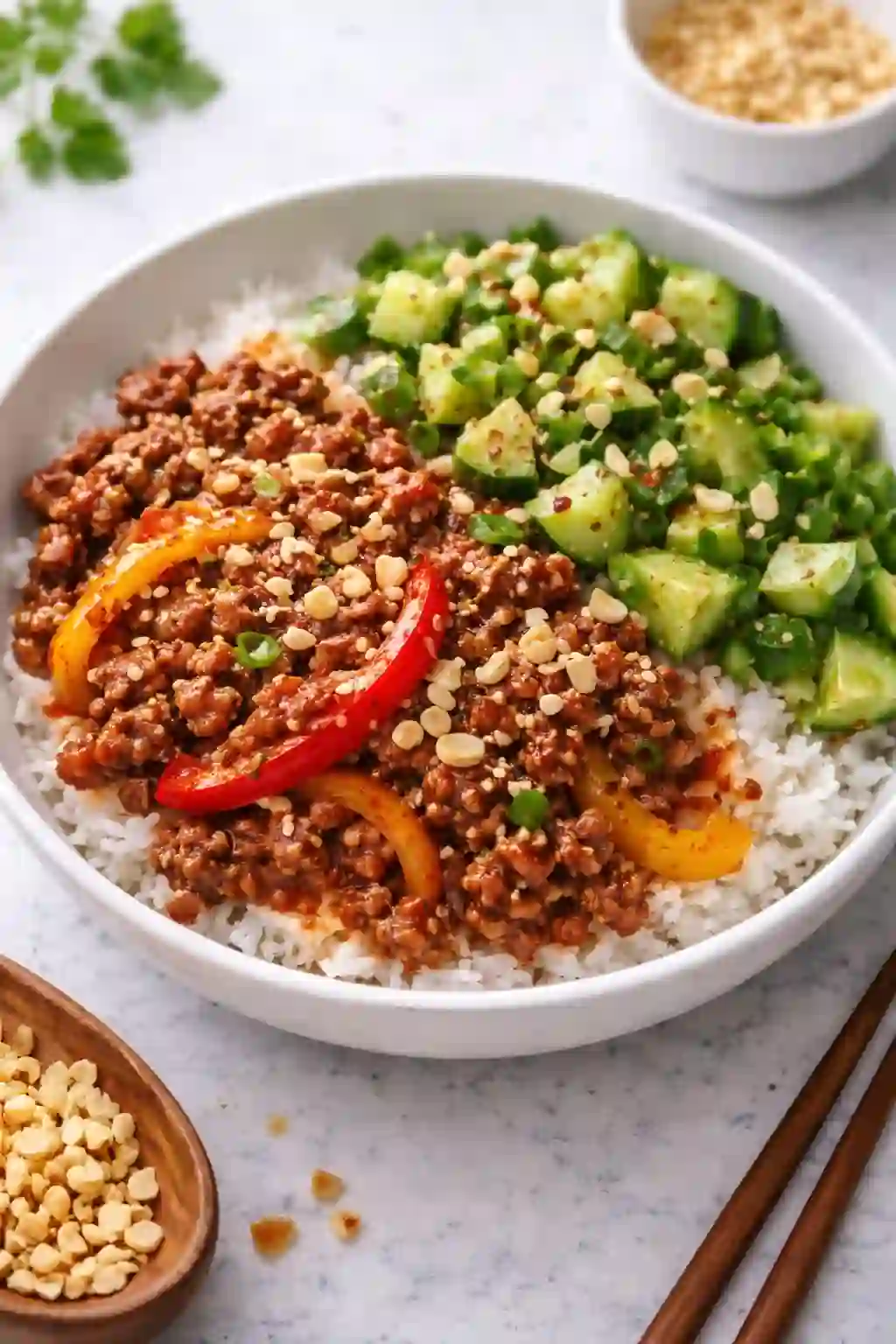
Step 4: Spoon the gochujang beef and peppers over bowls of warm rice. Top with the cucumber salad and finish with the chopped roasted peanuts. Add spicy mayo if desired, then serve immediately and enjoy.
Pro Tips for Maximum Flavor Every Time
A few small technique tweaks can take these bowls from good to absolutely crave-worthy. These tips focus on texture, balance, and getting the most flavor out of each step without adding extra work.
1-) Don’t Rush the Brown
When cooking the beef, resist the urge to stir constantly. Let it sit against the hot skillet long enough to develop a dark crust before breaking it up. This caramelization is where the deep, savory flavor comes from and makes the sauce cling better later.
2-)Watch the Sauce Consistency
The sauce should look glossy and coat the beef, not pool at the bottom of the pan. If it thickens too quickly, add a small splash of water and stir. This keeps the texture sticky and rich instead of dry or pasty.
3-) Time the Cucumbers Right
Let the cucumbers sit just long enough to draw out excess moisture, but not so long that they turn limp. Five minutes is the sweet spot for maximum crunch with just enough tang.
4-) Finish with Texture
Always add the sesame seeds and peanuts at the very end. This preserves their crunch and keeps the bowl from feeling soft or one-dimensional.
These small details don’t add time, but they dramatically improve the final flavor and texture of the dish.
Variations & Substitutions to Make It Your Own
One of the reasons this recipe works so well is how flexible it is. The base technique stays the same, but a few simple swaps let you adjust it to your preferences or what you have on hand.
1-) Protein Swaps
Ground chicken or ground pork work beautifully with this sauce. Both cook quickly and absorb the gochujang glaze just as well as beef, while offering a slightly lighter flavor profile.
2-) Veggie Boost
If you want to add more vegetables, snap peas or broccoli florets are great options. Toss them into the skillet with the bell peppers so they stay crisp-tender and don’t water down the sauce.
3-) Adjust the Heat
Gochujang heat levels can vary by brand. For a milder bowl, stick closer to the lower amount. If you love spice, increase it slightly for a bolder, spicier finish without overwhelming the dish.
4-) Spicy Mayo Option
For an extra layer of richness, drizzle with spicy mayo before serving. A simple mix of mayonnaise and Sriracha adds creamy contrast and works especially well with the crunchy peanuts and cucumbers.
These variations keep the dish exciting without changing the core flavors that make it a reliable weeknight favorite.
Storage & Reheating Tips
These bowls are just as good the next day, as long as each component is stored properly. Keeping the elements separate preserves both texture and flavor.
Refrigeration
Store the cooked beef in an airtight container in the refrigerator for up to 3–4 days. Keep the cucumber salad in a separate container so it stays crisp and refreshing.
Reheating
Reheat the beef gently in the microwave or in a skillet over medium heat until warmed through. If the sauce has thickened, add a small splash of water to loosen it. Always serve the cucumber salad cold for the best contrast.
Freezing
The beef freezes well for future meals. Let it cool completely before transferring to a freezer-safe container. Freeze for up to 2 months. Thaw in the refrigerator overnight before reheating. Do not freeze the cucumber salad, as it will lose its crunch.
These simple storage tips make the recipe ideal for meal prep or planned leftovers without sacrificing quality.
Conclusion
These Korean Gochujang Beef Bowls prove that weeknight dinners can be fast, bold, and deeply satisfying without extra effort or cleanup. The contrast between the sticky-sweet, caramelized beef and the cool, crunchy cucumber salad keeps every bite interesting and balanced, making this a recipe you’ll want to keep on repeat.
If you’re into easy, flavor-forward meals like this, don’t miss my Easy Sheet Pan Chicken Pitas with Herby Ranch Slaw for another quick dinner that delivers big texture with minimal work. Did you make yours extra spicy or try a different protein? Drop a comment and let me know how you served it.
Recipe FAQs
Korean Gochujang Beef Bowls

Equipment
- large skillet
- mixing bowls
- spatula or wooden spoon
- knife
- cutting board
Ingredients
- 1 ½ pounds ground beef (or chicken or pork)
- 2 tablespoons butter
- 2 bell peppers, sliced
- 3 shallots, sliced
- 4 cloves garlic, chopped
- ¼ cup pickled ginger (or 1 tablespoon fresh grated ginger)
- ½ cup tamari or soy sauce
- 2–3 tablespoons Gochujang (Korean chili paste)
- 2 tablespoons ginger juice
- 2 tablespoons maple or honey
- ¼ cup toasted sesame seeds
- ⅓ cup chopped roasted peanuts
- 4 Persian cucumbers, chopped
- 1 tablespoon Gochujang (Korean chili paste)
- ¼ cup chopped green onion/ Thai basil
- 2 tablespoons ginger juice or rice vinegar
Instructions
- In a large skillet, combine the beef and a pinch of black pepper. Cook over medium heat, breaking up the meat as it cooks until browned, about 5 minutes. Add the butter, peppers, garlic, shallots, and ginger. Cook 2 minutes.
- Pour over the tamari, add the Gochujang, ginger juice, and 1/3 cup water. Cook until the sauce coats the beef, 2–3 minutes. Mix in the maple/honey and cook another 1–2 minutes until the beef is caramelized. Remove from the heat. Toss with sesame seeds.
- Meanwhile, In a bowl, mix the cucumbers with 1 teaspoon salt, the chile flakes, ginger juice, and green onions. Let sit 5 minutes.
- Serve the beef and peppers over bowls of rice. Serve with the cucumber salad and top with peanuts. Add spicy mayo if desired. Enjoy!